GRAB YOUR SINGAPORE PACKAGES NOW AND GET FREE CREDIT VOUCHERS WORTH ₹5,000 ON YOUR NEXT BOOKING

 }})

Already have an account? Back To Login
Vietnam
Vietnam from North to South: A Perfect Travel Itinerary
Vietnam from North to South: A Perfect Travel Itinerary
Vietnam is a country that surprises most travellers in the best possible way. It is lively yet calm, traditional yet modern, and simple yet deeply rich in culture. From mountains and rice fields to beaches and busy cities, Vietnam offers a complete travel experience without feeling overwhelming or expensive.
For first-time visitors, the best way to understand Vietnam is to travel from North to South. This route allows you to see the changing landscapes, experience different lifestyles, and slowly understand the character of the country.
Why Vietnam Is a Great Choice for Travellers
Vietnam has a very balanced appeal. It works equally well for couples, families, and groups of friends. The country is known for its friendly people, good food, and excellent value for money.
What makes Vietnam special is that it still feels real. Life happens on the streets, in small shops, in local markets, and along rivers. You are not just seeing places, you are watching everyday life unfold around you.
Starting Your Journey in North Vietnam
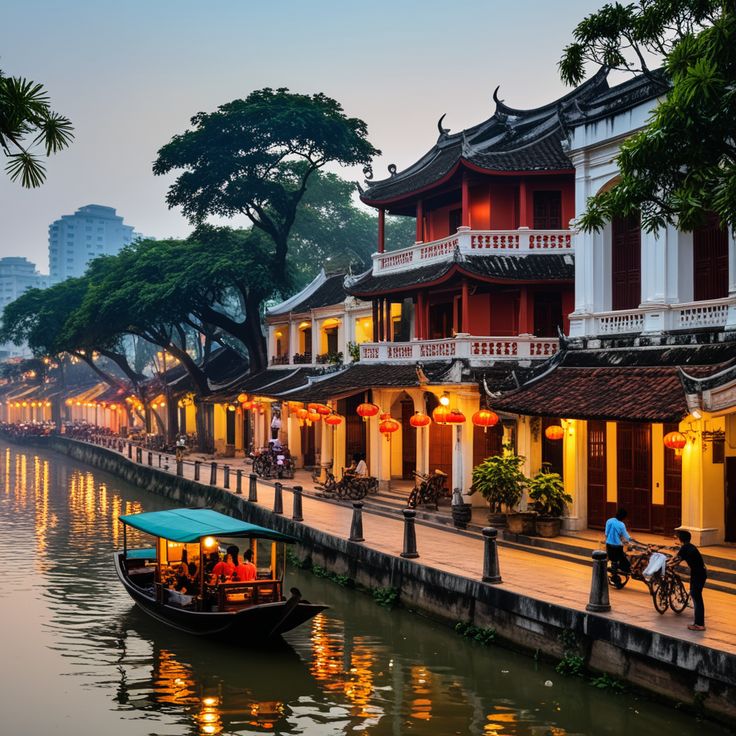
Most international travellers begin their Vietnam trip in Hanoi, the capital city. Hanoi is busy, full of energy, and rich in history. The old part of the city has narrow streets, small shops, cafés, and local food stalls that give you a true feel of Vietnamese life.
Walking around the Old Quarter, spending some quiet time near Hoan Kiem Lake, and visiting historic landmarks like the Ho Chi Minh Mausoleum help you slowly settle into the rhythm of the city. Hanoi may seem chaotic at first, but after a day or two, it starts to feel strangely comfortable.
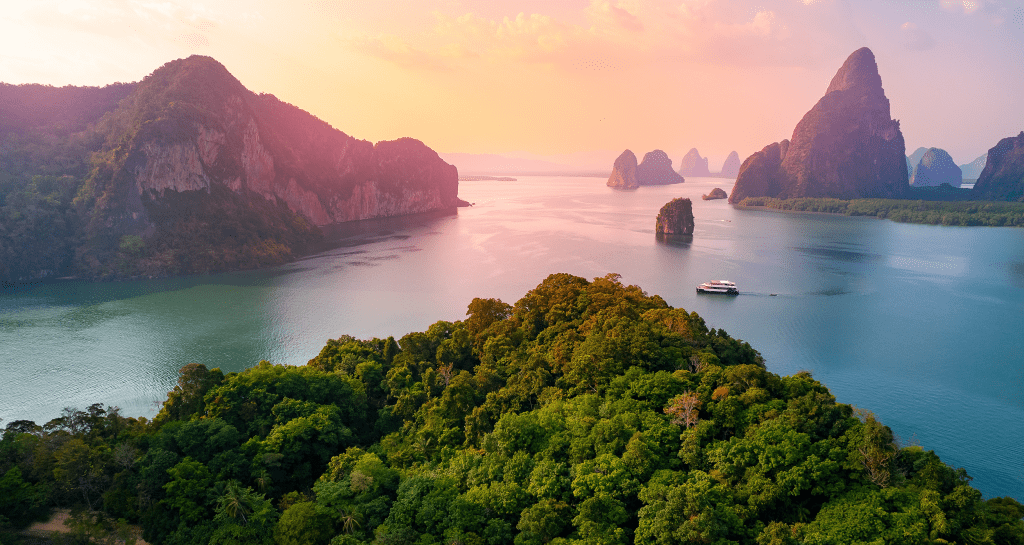
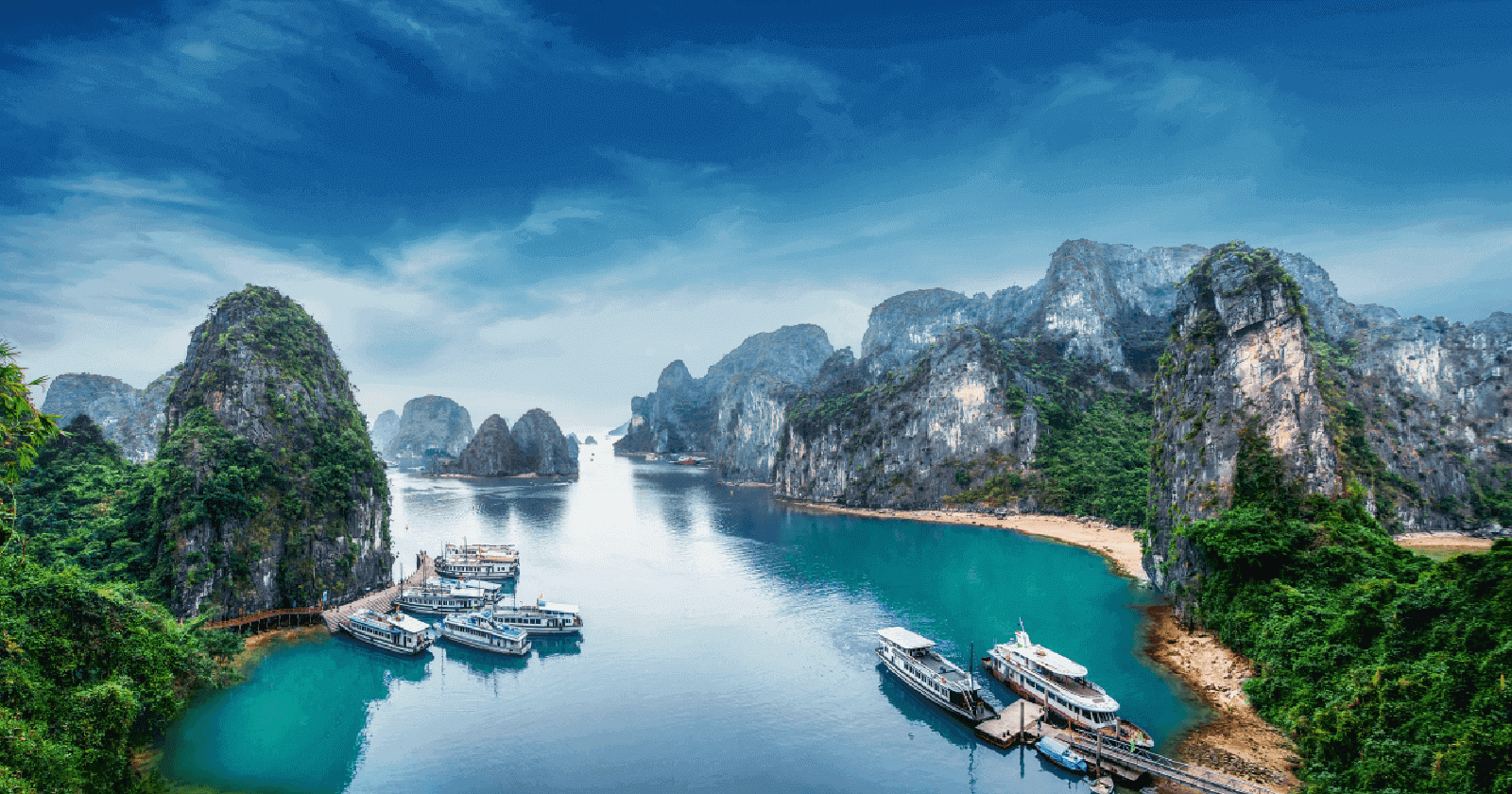
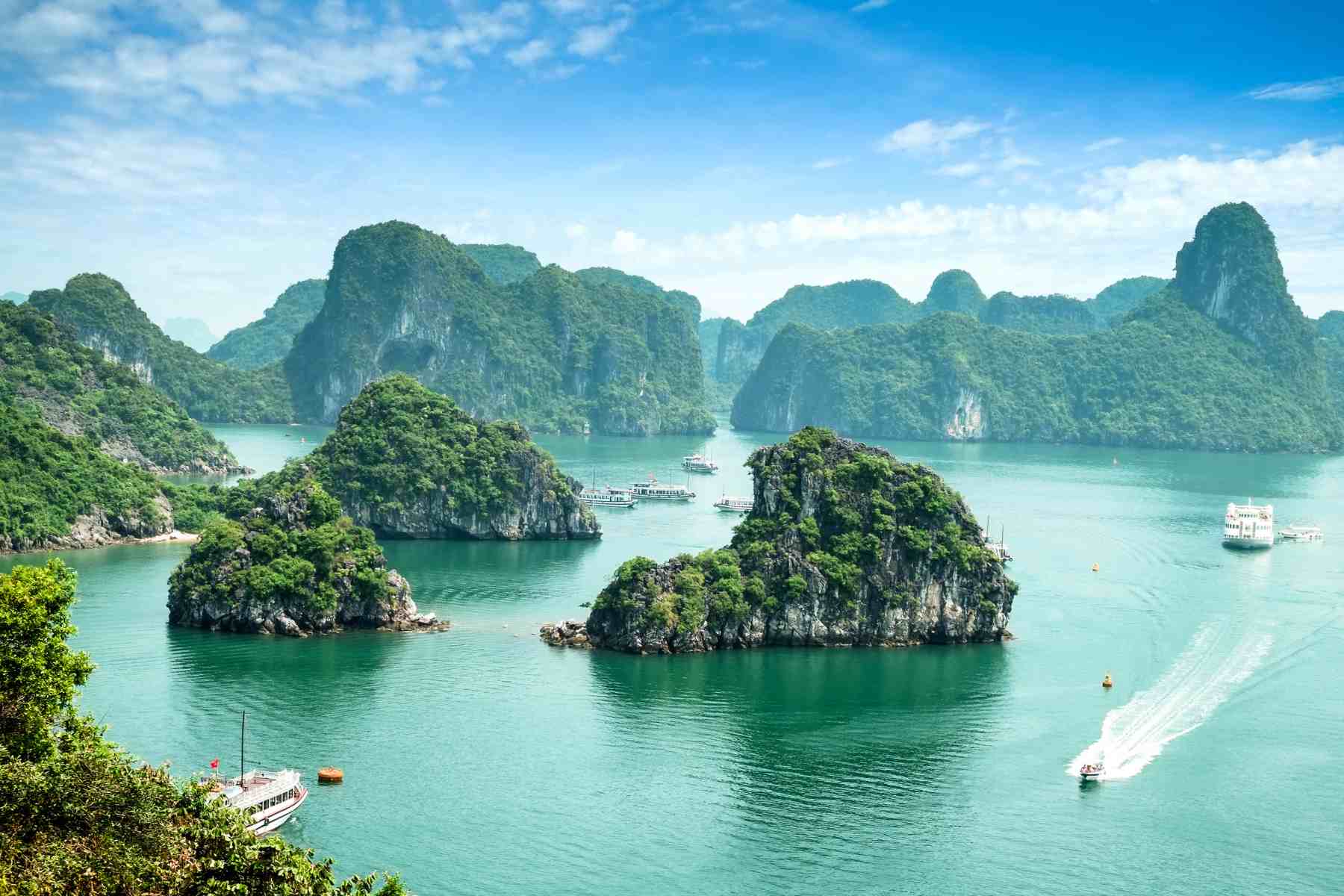
From Hanoi, many travellers head to Halong Bay, one of the most famous natural sights in Vietnam. The bay is known for its limestone islands rising out of calm green waters. A one-day or overnight cruise here is enough to enjoy the scenery, relax on the boat, and take in the peaceful surroundings.
Exploring Central Vietnam
- After the north, the journey usually continues to Central Vietnam, which has a completely different atmosphere.
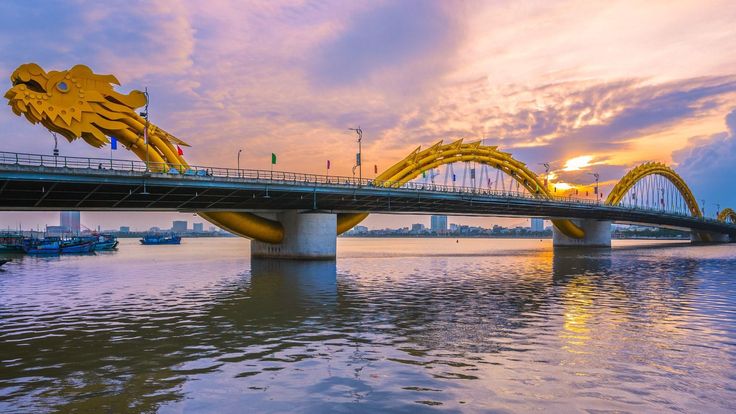
- Da Nang is a clean and modern city located near the sea. It is less crowded and more relaxed, making it a good place to slow down a little. Nearby attractions like the Marble Mountains and the famous Golden Bridge add to its appeal.
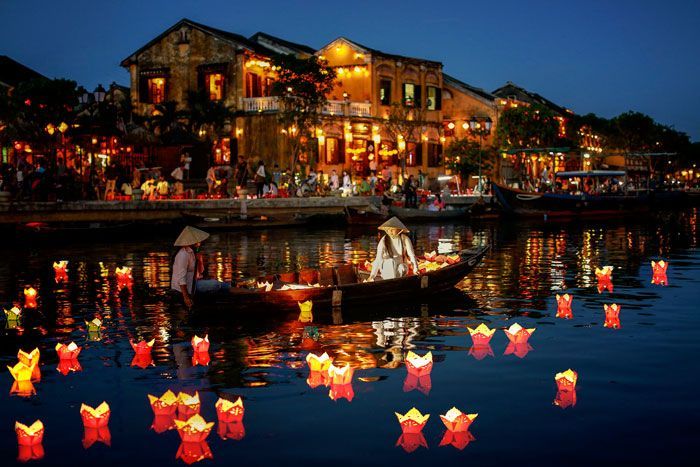
- Not far from Da Nang is Hoi An, a town that feels like it belongs to another time. Its old streets, yellow buildings, lantern-lit evenings, and riverside cafés create a very charming atmosphere. Walking through the old town in the evening, when lanterns light up the streets, is one of the most memorable experiences in Vietnam.
- Another important stop in Central Vietnam is Hue, a city known for its royal past. The old Imperial City, ancient tombs, and quiet temples give you a glimpse into Vietnam’s history and traditions.
Discovering South Vietnam
The southern part of Vietnam feels faster, warmer, and more modern.
- Ho Chi Minh City, earlier known as Saigon, is a busy and energetic city. It is full of shops, cafés, markets, and modern buildings. At the same time, it also holds important historical places such as the War Remnants Museum and old colonial-era structures.
- From Ho Chi Minh City, many travellers visit the Mekong Delta, a region known for its rivers, small canals, floating markets, and village life. A day trip here shows you a slower and simpler side of Vietnam, where life still revolves around water and farming.
What to Eat in Vietnam
Food is a big part of the Vietnam experience. Vietnamese meals are usually light, fresh, and full of flavour. One of the most famous dishes is Pho, a noodle soup that is eaten throughout the day. Banh Mi, a Vietnamese-style sandwich, is another favourite and is perfect for quick meals while sightseeing.
You will also find a variety of rice and noodle dishes, spring rolls, and seafood. In most tourist areas, vegetarian food is available, and many restaurants are used to serving international travellers.
How Many Days Are Enough for Vietnam?
To enjoy Vietnam without rushing, 8 to 10 days is a good duration. This allows you to spend a few days in each region and travel comfortably between places.
Internal flights are very common and save a lot of time, especially when moving from North to Central or South Vietnam.
Practical Travel Tips
Vietnam uses the Vietnamese Dong, and it is useful to carry some cash for local markets and small shops. The weather can change from region to region, so light layers are helpful. While Vietnam is generally safe for travellers, it is always wise to be careful with your belongings in busy areas.
Why Vietnam Leaves a Lasting Impression
Vietnam is not just about famous spots or beautiful views. It is about sitting in a small café watching street life, taking a slow boat ride through narrow canals, and seeing how history and modern life exist side by side.
By the time you finish your journey from North to South, Vietnam no longer feels like just a destination. It feels like a story you have been part of.
Final Thoughts
For travellers looking for a country that offers variety, culture, natural beauty, good food, and great value, Vietnam is an excellent choice. A journey from North to South gives you a complete picture of the country and leaves you with memories that stay long after the trip ends.